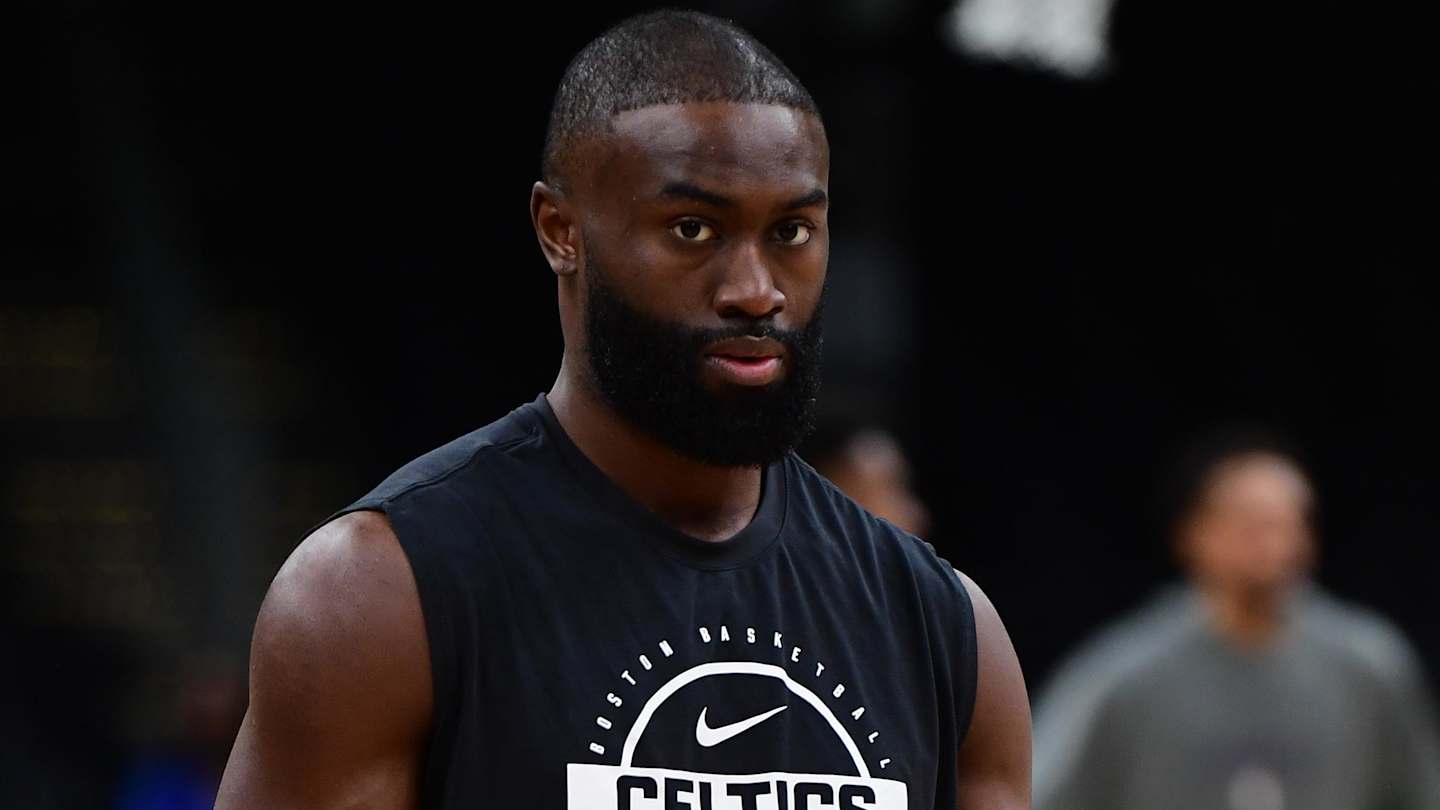
Celtics Coach, Players Defend Jaylen Brown's Controversial Ejection
The NBA regular season often delivers unexpected drama, and the recent clash between the Boston Celtics and the San Antonio Spurs was no exception. What began as a highly anticipated matchup, featuring the return of Jayson Tatum and the burgeoning talent of Victor Wembanyama, quickly devolved into a heated controversy when Celtics All-Star Jaylen Brown was ejected in the second quarter. The incident, occurring during the
Celtics Vs Spurs Last Game, not only impacted the final 125-116 score but also ignited a passionate defense from Boston's coach, Joe Mazzulla, and his star players. Their unified stance highlights the intense emotions and complex dynamics that often define high-stakes professional basketball.
The Ignition Point: A No-Call and Spiraling Frustration
The pivotal moment unfolded with 3:38 left in the second quarter. Jaylen Brown, dribbling the ball near the sideline, believed he was fouled by Spurs guard Stephon Castle. Replays later confirmed that Castle indeed delivered a slight shove to Brown's hip. However, the officials whistled the ball out of bounds without calling a foul. Brown's immediate reaction was one of palpable indignation. Incensed and animated, he voiced his displeasure with referee Tyler Ford while making his way back down the court. This initial protest earned him a technical foul from Ford.
Rather than de-escalating, Brown's frustration intensified. He spun around to plead his case with another official before turning his attention back to Ford within seconds. This persistent and aggressive protest prompted referee Suyash Mehta to issue Brown a second technical foul, resulting in his immediate ejection from the game. The sudden departure of one of Boston's key offensive weapons significantly altered the complexion of the game, forcing the Celtics to play virtually the entire second half without him. This abrupt turn of events contributed to the
Celtics' performance in the game and fueled a post-game debate about the nature of officiating and player conduct.
Coach Mazzulla's Unwavering Support: "He Was 100 Percent Right"
Following the game, Celtics coach Joe Mazzulla wasted no time in publicly backing his All-Star forward. His remarks were unequivocal and left no doubt about his support for Brown's actions. "I understand completely where Jaylen was coming from," Mazzulla stated emphatically. "Absolutely. I’ve got his back, and I think he was 100 percent right to be frustrated and do what he did." This strong declaration not only defended Brown but also indirectly questioned the officials' handling of the situation.
Mazzulla went further, using a colorful analogy to express his displeasure with how the second technical foul was issued. "Just give a ton of credit to my high school principal," he quipped. "He had the balls to throw a student out. He didn’t leave it to the hall monitor." This pointed comment was clearly aimed at Suyash Mehta, implying that the initial referee, Tyler Ford, should have been the one to issue a second technical if it was warranted, rather than another official stepping in. Mazzulla's "hell of a principal" praise underscored his belief in a principal official taking decisive action. This incident also underscored the existing tension between Jaylen Brown and NBA referees throughout the season, a narrative that Brown himself alluded to in a social media post during the game. During the heated exchange, Mazzulla and a security guard, along with several Celtics players, had to step in to physically calm Brown down, illustrating the intensity of the moment.
Teammates Rally Behind Brown: "Second One Was Bulls—"
The sentiment within the Celtics locker room echoed Mazzulla's defense. Brown's teammates, many of whom were on the court during the incident, were quick to voice their support and criticize the ejection. Derrick White, who led the Celtics in scoring with 34 points, was particularly outspoken. "I think he thought he got fouled," White said, adding his own agreement: "I think he got fouled, too. He definitely earned the first (technical foul). And then I thought the second one was bulls—, honestly."
White articulated the frustration shared by many players, emphasizing the passionate and high-level nature of NBA games. "It’s a passionate game, a high-level game. You can’t throw out a guy that’s done so much for us all year. And in a game like this, especially joining in — Tyler didn’t throw him out. So I think that was ridiculous. And it was tough, obviously, to basically play the whole second half without him."
Jayson Tatum, who scored 24 points and whose return added significant weight to the
Celtics Vs Spurs Last Game, mirrored White's sentiments. "I disagreed with (the ejection)," Tatum stated. "The NBA makes a big deal about primetime games and stars playing and being available. He definitely got pushed, and (the) first tech was probably warranted. The emotions were high. But second tech, you’ve got to understand, national TV game, two of the best teams in the league, and you make a big deal about stars playing, but you’re trigger happy to throw them out." Both White and Tatum highlighted the irony of the NBA promoting its stars and high-profile games, only for officials to be "trigger happy" in ejecting a key player. Brown himself posted "This the s— I be talking about" on social media during the game, indicating his belief that this incident was part of a broader pattern of unfair treatment from officials. For a more detailed account of the on-court drama, see
Jaylen Brown's Heated Ejection vs. Spurs: No-Call Sparks Drama.
Officiating Perspective and NBA Implications
While players and coaches expressed their frustration, the officials provided their perspective in a pool report after the game. Referee Tyler Ford explained the rationale behind the technical fouls. The first technical was issued, according to Ford, "for aggressively pointing and using profanity and resentment to the no call." The second technical foul was given because Brown "aggressively approached a game official while pointing and using profanity." This explanation frames the ejection as a direct consequence of Brown's aggressive behavior and verbal dissent, rather than solely a reaction to the initial no-call.
This incident highlights the perennial challenge officials face in balancing game control with allowing for player emotion. The NBA emphasizes sportsmanship and respect for officials, but also seeks to promote a competitive and passionate product. The line between warranted protest and unsportsmanlike conduct can be blurry, especially in the heat of the moment.
*
The Fine Line: Players, especially stars, are expected to lead by example, but are also under immense pressure and passionate about their craft. Officials are tasked with upholding the rules consistently across all players, regardless of star status.
*
Consistency Concerns: The debate often centers on the consistency of officiating – whether similar actions from different players receive the same punishment, or if there's a perceived bias.
*
Impact on Game Flow: Ejections of key players fundamentally change the nature of a game, potentially influencing the outcome and affecting fan enjoyment. The Celtics' 125-116 loss to the Spurs was undoubtedly influenced by playing without Brown for half the game.
This specific ejection, Brown's second of his career, also adds to a broader narrative about player-official dynamics. It raises questions about whether certain players develop a reputation with referees, leading to a quicker trigger for technical fouls.
The Broader Narrative: Player-Official Dynamics and Fan Engagement
The Jaylen Brown ejection against the Spurs is more than an isolated incident; it's a microcosm of the ongoing discourse in the NBA regarding officiating consistency and the relationship between players and referees. Incidents like this fuel fan debates and contribute to perceptions of how the game is officiated.
*
Player Perspective: Players often feel that officials don't understand the speed and physicality of the game, leading to missed calls. They also desire a certain level of respect and communication from officials.
*
Official Perspective: Officials operate under immense scrutiny, making split-second decisions in high-pressure environments. They must enforce rules to maintain order and fairness, often dealing with escalating emotions from players.
*
Fan Engagement: Fans are often polarized, either siding with the player's passion or the official's authority. These controversies add a dramatic layer to the game, but can also detract from the athletic performance when the focus shifts to officiating.
Practical Tip for Players: While passion is crucial, understanding the "trigger points" for officials and employing de-escalation tactics (like walking away after an initial protest) can prevent ejections. Learning how to communicate displeasure effectively without crossing into aggressive or profane territory is a valuable skill.
Fact: The NBA has ongoing initiatives to improve officiating, including training programs focused on communication, consistency, and conflict resolution, but the human element of high-stakes sports will always lead to moments of intense disagreement.
Conclusion
Jaylen Brown's controversial ejection during the
Celtics Vs Spurs Last Game was a flashpoint that highlighted the intense emotions, conflicting perspectives, and complex dynamics inherent in professional basketball. While officials cited Brown's aggressive protest and use of profanity as grounds for the technical fouls, both Celtics coach Joe Mazzulla and Brown's teammates, Derrick White and Jayson Tatum, rallied to his defense, criticizing the perceived "trigger happy" nature of the officials and lamenting the impact on a primetime game. This incident not only influenced the 125-116 final score but also contributed to the ongoing dialogue about player-official relationships, officiating consistency, and the delicate balance between player passion and adherence to rules in the NBA. As the season progresses, Brown's interactions with referees will undoubtedly be under heightened scrutiny, serving as a reminder of the fine line between competitive fire and crossing the line.